






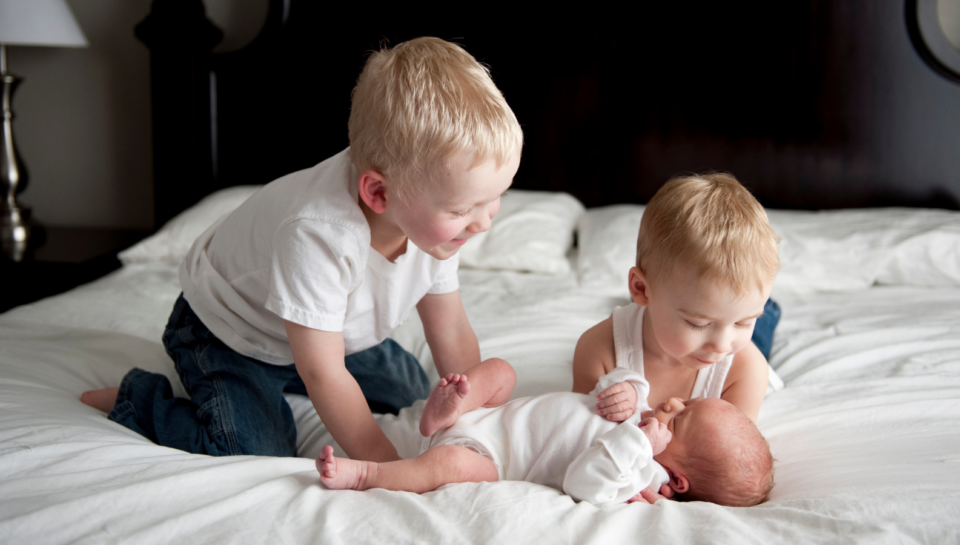
Preparing a child for a new sibling can bring up excitement, curiosity, and sometimes some very big feelings. While every family is different, many parents look for gentle ways to make the idea of a new baby feel more real, more familiar, and less overwhelming.
One approach that is often recommended in parenting resources is to talk about the baby early, keep explanations simple, and involve children in calm, age appropriate ways. Rather than treating sibling preparation like one big conversation, it can help to approach it through small moments of guided learning over time.
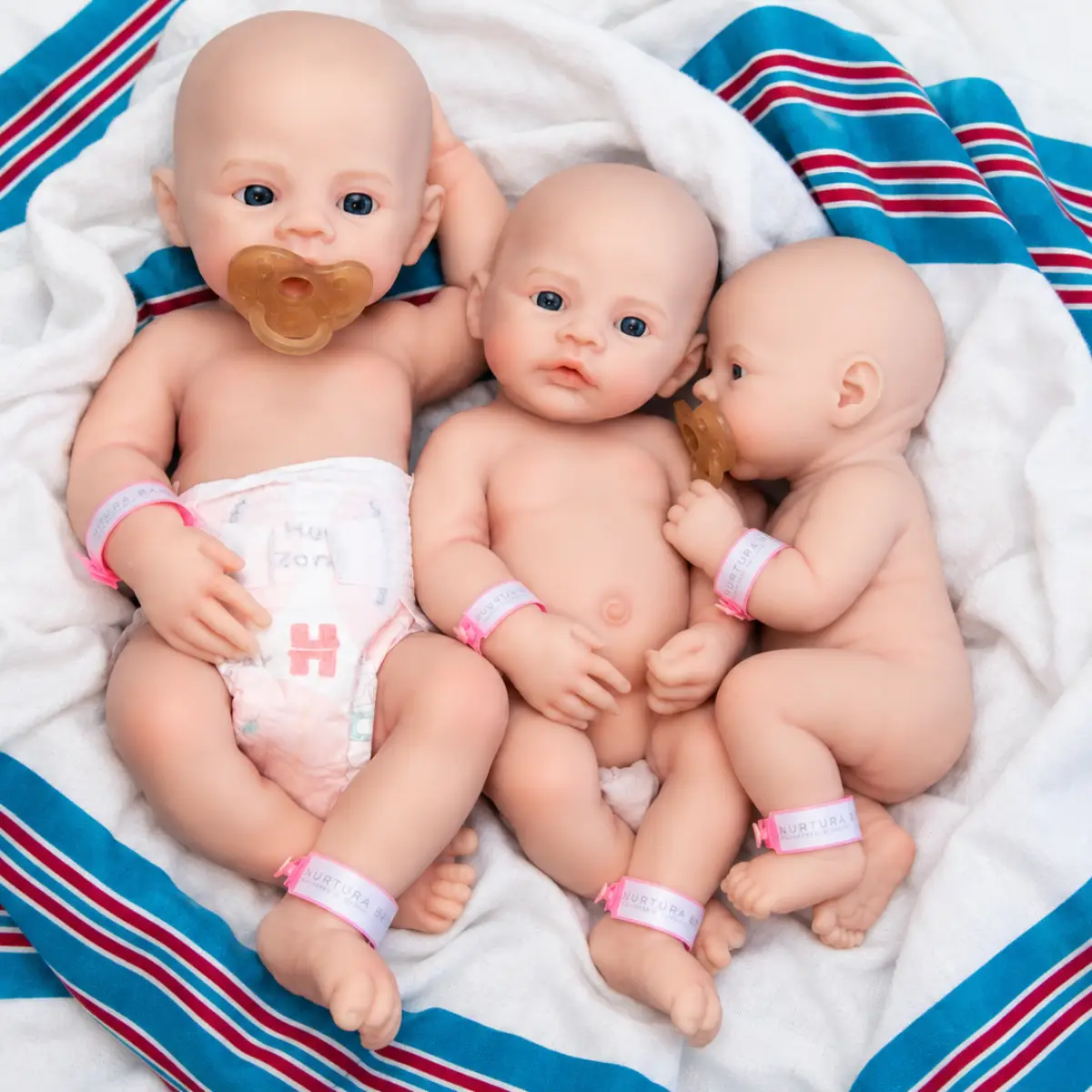
A realistic baby doll can sometimes support that process. It gives families a visual and hands on way to explore ideas like gentle touch, holding, feeding, settling, and what newborn care might involve. We are not presenting this as expert advice or a one size fits all solution, but as one possible tool that some families may find helpful alongside trusted parenting guidance.
If you are preparing a toddler or young child for a new baby, reputable Australian resources such as Raising Children Network and Pregnancy, Birth and Baby offer practical information on what children may feel, how routines may shift, and how parents can respond with reassurance and consistency.
At Nurtura, we see this kind of doll as part of a calm, guided learning experience. It can help turn abstract ideas into something more concrete, while still leaving room for the child’s own pace, questions, and feelings.
Sometimes children do not need a big explanation, they just need a soft, simple way to begin understanding what life with a new baby might look like.
WHY SIBLING PREPARATION MATTERS
Many parenting experts note that children often need time to adjust to the idea of a new baby before the baby actually arrives. That is because the change affects more than just the family structure. It can also affect routines, attention, noise, sleep, and the emotional tone of the home.
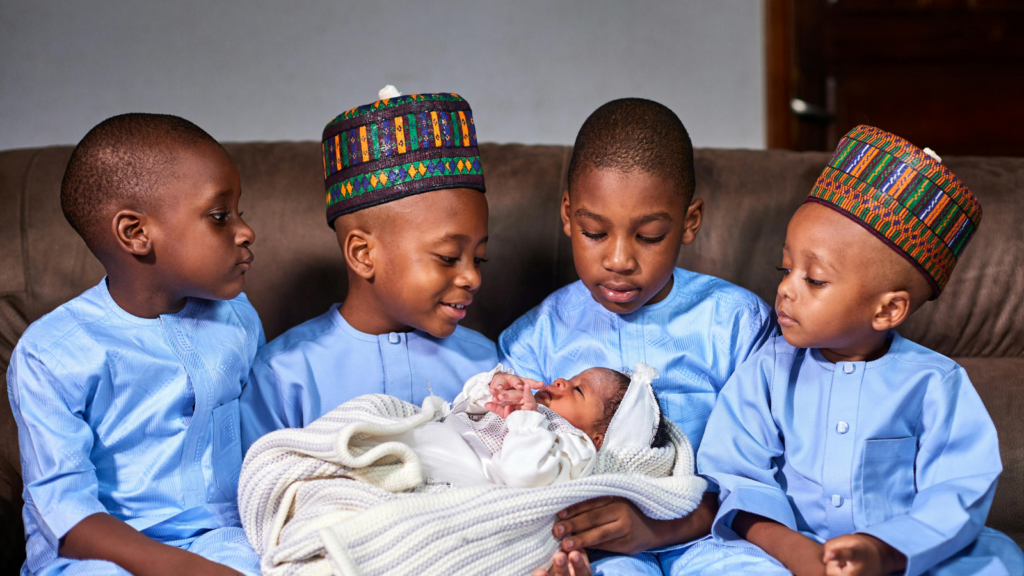
According to Raising Children Network, siblings may feel both excited and anxious about a new baby, and starting preparation a few months before the birth can help. Their guidance also suggests that children benefit when parents keep them informed, make space for feelings, and explain what may change in a simple and realistic way.
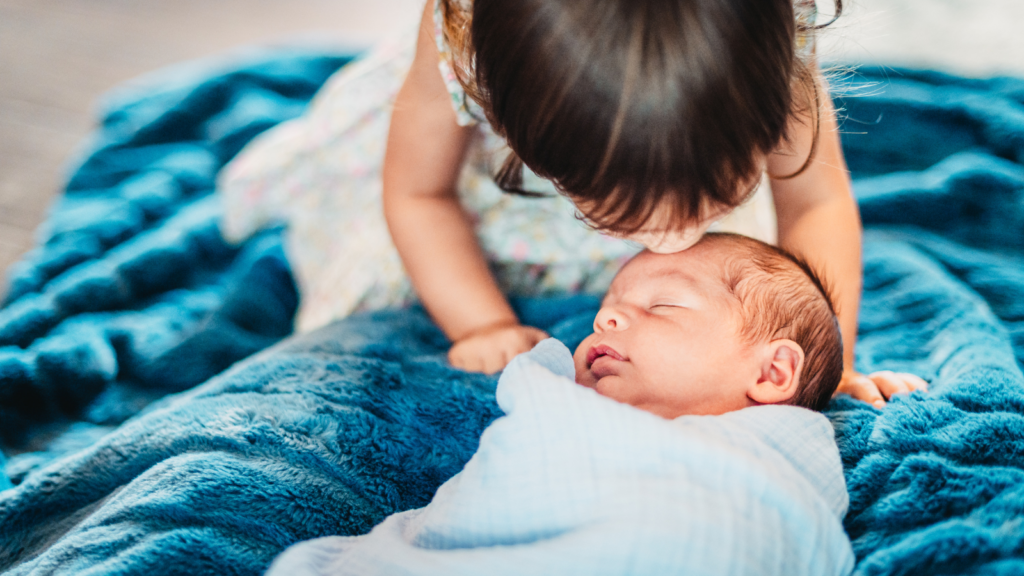
That kind of preparation does not need to be formal. In fact, many families find that short, repeated conversations work better than one big talk. A child might be more receptive while sitting on the bed, helping fold wraps, looking at baby clothes, or cuddling a doll during a calm moment.
A realistic doll can be useful here because it gives the conversation somewhere to land. Instead of speaking only in abstract terms, a parent can gently show what supporting a baby’s head looks like, how soft hands feel, or why newborns need a lot of sleep and feeding time. The aim is not to turn the child into a helper before they are ready. It is simply to make the transition feel more familiar and less mysterious.
This can also create opportunities for questions that may not come up otherwise. A child might ask why babies cry, why they cannot play straight away, or why adults need to hold them carefully. When those questions come up naturally, the answers can feel less pressured and more meaningful.
HOW A REALISTIC BABY DOLL MAY HELP
We are careful not to position a doll as a substitute for trusted health or parenting advice. However, based on the kinds of sibling preparation strategies shared by reputable parenting organisations, a realistic baby doll may support some of those conversations in a practical and child friendly way.
For example, Pregnancy, Birth and Baby discusses the importance of helping toddlers understand what the new baby will need, while Raising Children Network highlights the value of positive attention, reassurance, and helping children feel secure during the adjustment period.
A doll can sometimes support those goals by making caregiving ideas visible and repeatable. A parent might show how to wrap the baby, where to place a blanket, how to sit while holding them, or what gentle touch looks like around the head and face. These are not lessons in perfect technique. They are small, guided experiences that can help a child build familiarity and confidence.
Some families also use a realistic baby doll as part of role play. That could mean pretending to settle the baby for a nap, talking through nappy changes, choosing a muslin wrap, or reading a story beside the doll. When done gently, these moments can help children imagine themselves in the changing family environment without creating pressure or unrealistic expectations.
There is also something valuable in the pace of this type of interaction. A calm, realistic doll invites slower play and quieter observation. For families who want something that feels less loud or less toy-like, that can make the experience feel more grounded and more closely connected to the real conversations happening around a growing family.
A sibling preparation doll is not there to replace advice from trusted sources, it simply gives families one more gentle way to explore the ideas together.
ACTIVITIES AND CONVERSATIONS TO TRY
If you want to explore this idea at home, simple is usually best. Many children respond well to short, calm moments rather than long explanations. You might begin by showing your child how to hold the doll while sitting down, using language like “soft hands”, “close to your body”, or “we support baby’s head”.
You can also talk through everyday baby items such as wraps, muslins, nappies, or a bassinet. This can help children connect real household changes to the baby’s needs before those changes happen all at once. Some families also like to pair these conversations with picture books about becoming a big brother or big sister.
Another gentle approach is to talk honestly about what newborns are like. Trusted Australian parenting resources often remind families that babies mostly feed, sleep, cry, and need a lot of closeness in the early weeks. Setting that expectation can help older children build a more realistic picture of what is coming, rather than imagining the baby as an instant playmate.
It is also worth remembering that sibling preparation is not just about practical care. It is also about emotional safety. Children may love the idea of the baby and still feel unsettled by the change. That is normal. Resources such as Raising Children Network’s advice for older children reinforce the importance of talking openly, making time for feelings, and helping children feel included in ways that match their age and stage.
If you are looking for a realistic baby doll to support guided learning, calm role play, and family preparation, you can explore The Nursery, read more on our FAQ page, or continue browsing The Journal for thoughtful articles and practical ideas. We always encourage families to use products like these alongside trusted parenting information from reputable sources.
Explore Comfort, Connection and Discovery
At Nurtura, our babies are designed to be experienced, not displayed. Combining realistic newborn-inspired features, full body silicone construction, immersive sound experiences and a focus on meaningful interaction, Nurtura babies are created for comfort, connection and discovery. Explore The Nursery to discover a different approach to realistic dolls.

