Schools are continually exploring new ways to engage students through hands-on learning experiences. While many people associate realistic dolls with home environments or collecting hobbies, dolls for schools can also provide valuable opportunities for learning, role play and meaningful classroom interaction.
For decades, dolls have been used in educational settings to support storytelling, imaginative learning, communication skills and practical education programs. Today, realistic dolls offer educators a flexible resource that can be adapted to a wide range of learning environments and student needs.
Children learn through doing, exploring and imagining. Sometimes the simplest learning tools create the most meaningful conversations.
Why Dolls Have Always Had a Place in Learning
Play-based learning remains one of the most effective ways for students to explore ideas, develop communication skills and build confidence.
Dolls have long been incorporated into classroom activities because they encourage creativity, storytelling and social interaction. Unlike highly structured resources, dolls can be used in countless ways depending on the age of the students, the learning objectives and the educational setting.
Whether used in early years education, specialist programs or secondary school learning environments, dolls provide opportunities for students to learn through exploration and engagement.
How Role Play Dolls Support Imaginative Learning
Role play is a powerful educational tool.
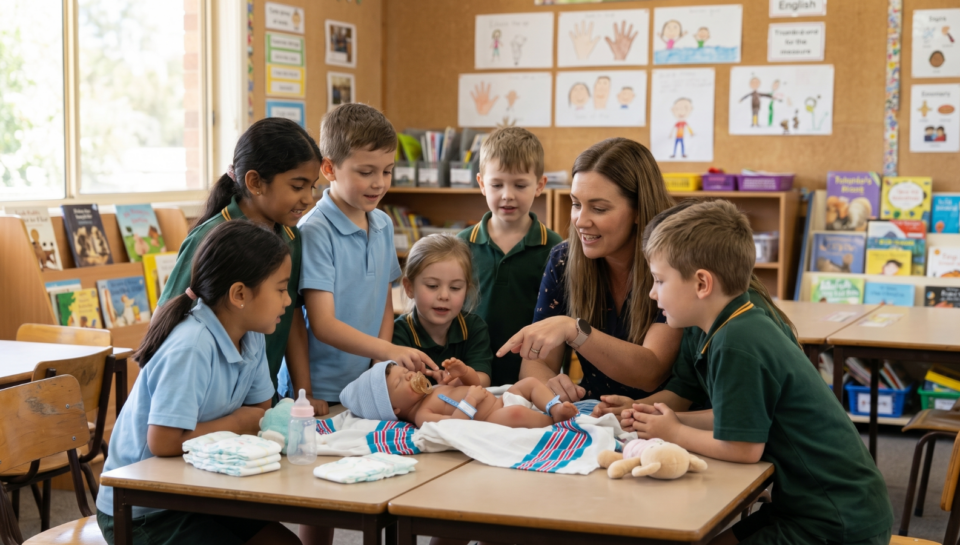
Through classroom role play activities, students can explore family relationships, community roles, routines, responsibilities and social situations. Role play dolls provide a familiar and approachable way for students to create stories, solve problems and engage in collaborative learning.
Imaginative play dolls can become characters in classroom storytelling, props for educational activities or tools that encourage discussion and creative thinking.
Because there is no single correct way to engage with a doll, students are free to bring their own experiences, ideas and perspectives into the learning process.
The Child Mind Institute, a leading children’s mental health organisation, highlights that pretend play helps children develop communication skills, emotional understanding, creativity and problem-solving abilities. Through role play activities, students can safely explore different perspectives, practise social interactions and build confidence in real-world situations. Dolls can provide a natural focal point for these imaginative learning experiences.
A realistic doll is more than a classroom resource. It can become a story starter, a learning aid, a role play companion or a catalyst for connection.
Using Parenting Education Dolls in Family Studies Programs
Many schools deliver family studies programs, childcare education courses or parenting-related learning activities.
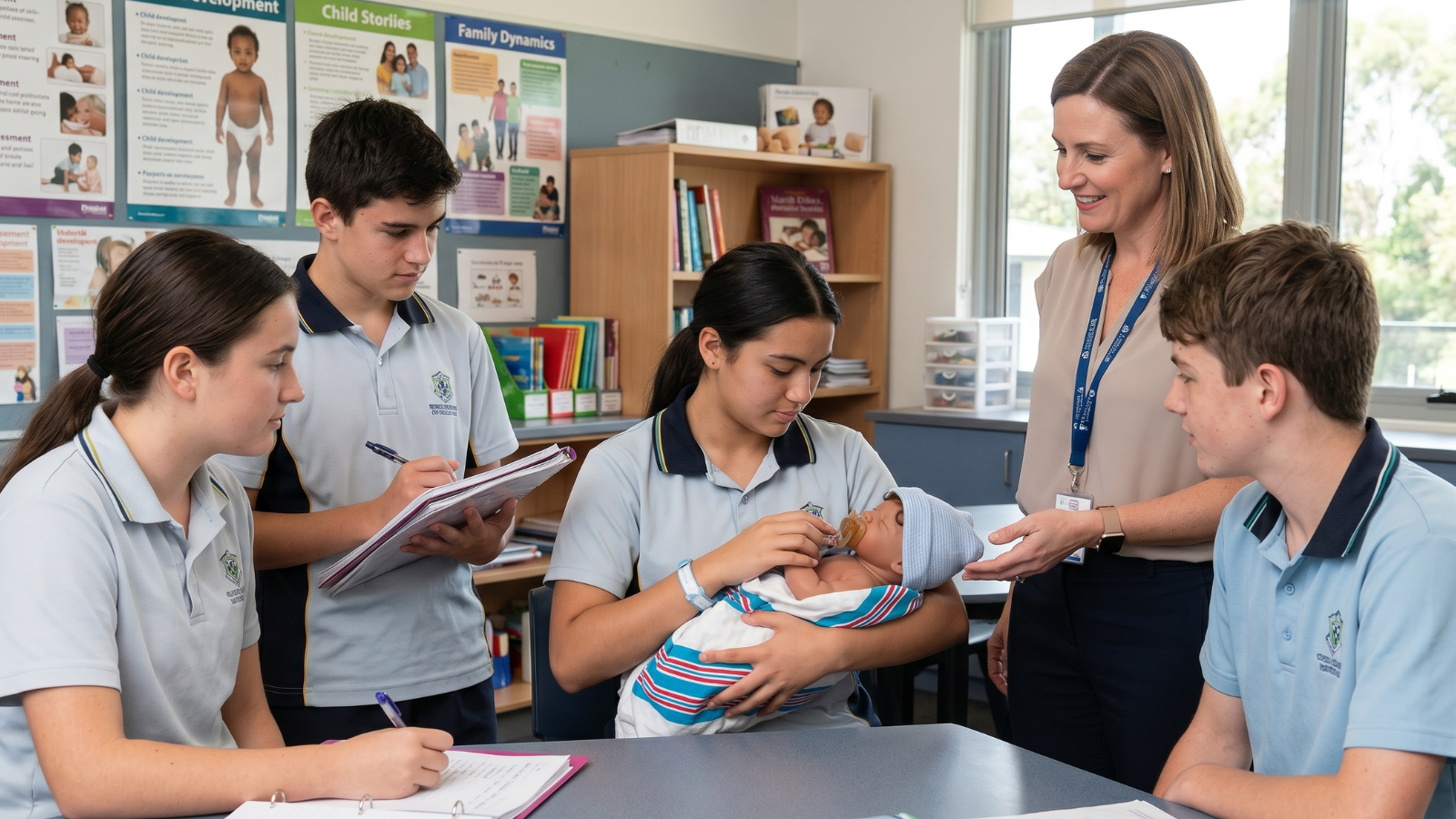
Parenting education dolls can help bring these lessons to life by providing a practical resource that students can interact with while exploring concepts such as:
infant care and handling
safe sleeping practices • feeding routines
developmental milestones
caregiving responsibilities
family dynamics
By moving beyond textbooks and theory, students are able to engage with learning in a more hands-on and memorable way.
These experiences can help make discussions about parenting, childcare and family responsibilities feel more tangible and relevant.
Supporting Social Emotional Learning Through Play
Many educators recognise the importance of social emotional learning as part of a well-rounded education. In addition to academic outcomes, schools are increasingly focused on helping students develop empathy, resilience and positive relationship skills.
Play-based activities can create opportunities for students to explore kindness, responsibility and communication within a supportive environment. Through caring and nurturing activities, students may begin to consider the needs of others. They can also practise emotional learning skills and engage in conversations about relationships, community and cooperation.
As a result, a doll can become a useful focal point for discussions around empathy development and understanding different perspectives. Furthermore, these activities encourage students to participate in collaborative learning experiences that feel natural and engaging.
While every school approaches social emotional learning differently, dolls can provide a flexible resource that supports broader wellbeing and classroom engagement initiatives.
Researchers from the University of Melbourne have highlighted the importance of social and emotional learning programs in supporting children’s wellbeing, resilience and long-term educational outcomes. Their work suggests that helping students develop empathy, self-awareness, relationship skills and emotional regulation is an increasingly important part of modern education. Therefore, activities that encourage nurturing, communication and reflection can complement these broader learning goals.
Traditional dolls have supported learning for generations.
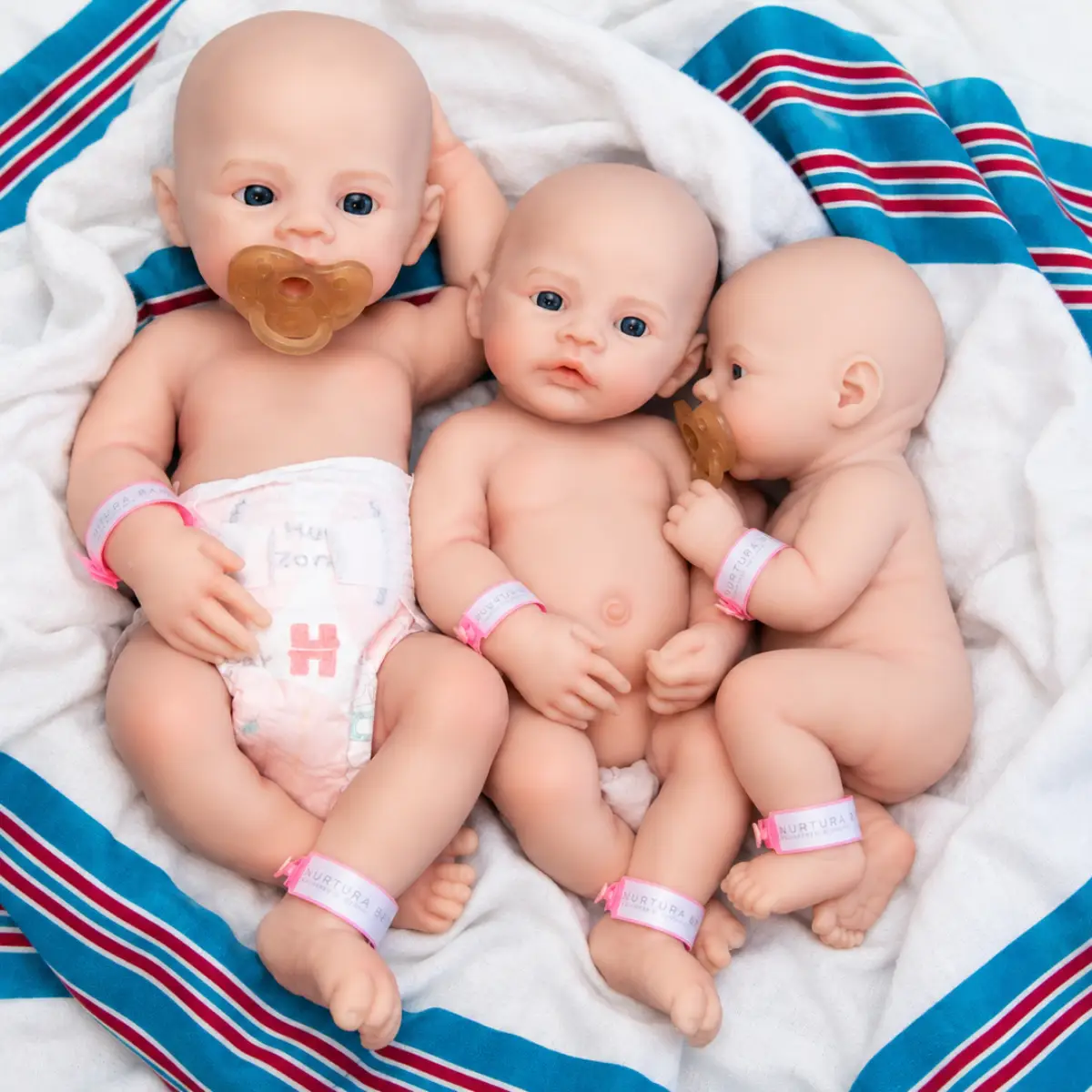
However, realistic baby dolls offer an additional level of engagement through their lifelike appearance, natural weight and newborn-inspired features.
Students often respond positively to resources that feel authentic and relatable.
Lifelike dolls can spark curiosity, encourage questions and create more immersive learning experiences. Their realism can help students engage more deeply with role play activities, family studies programs and storytelling exercises.
For educators seeking versatile classroom resources, realistic baby dolls provide opportunities for interaction that go beyond simple observation.
Supporting Calm and Wellbeing Spaces
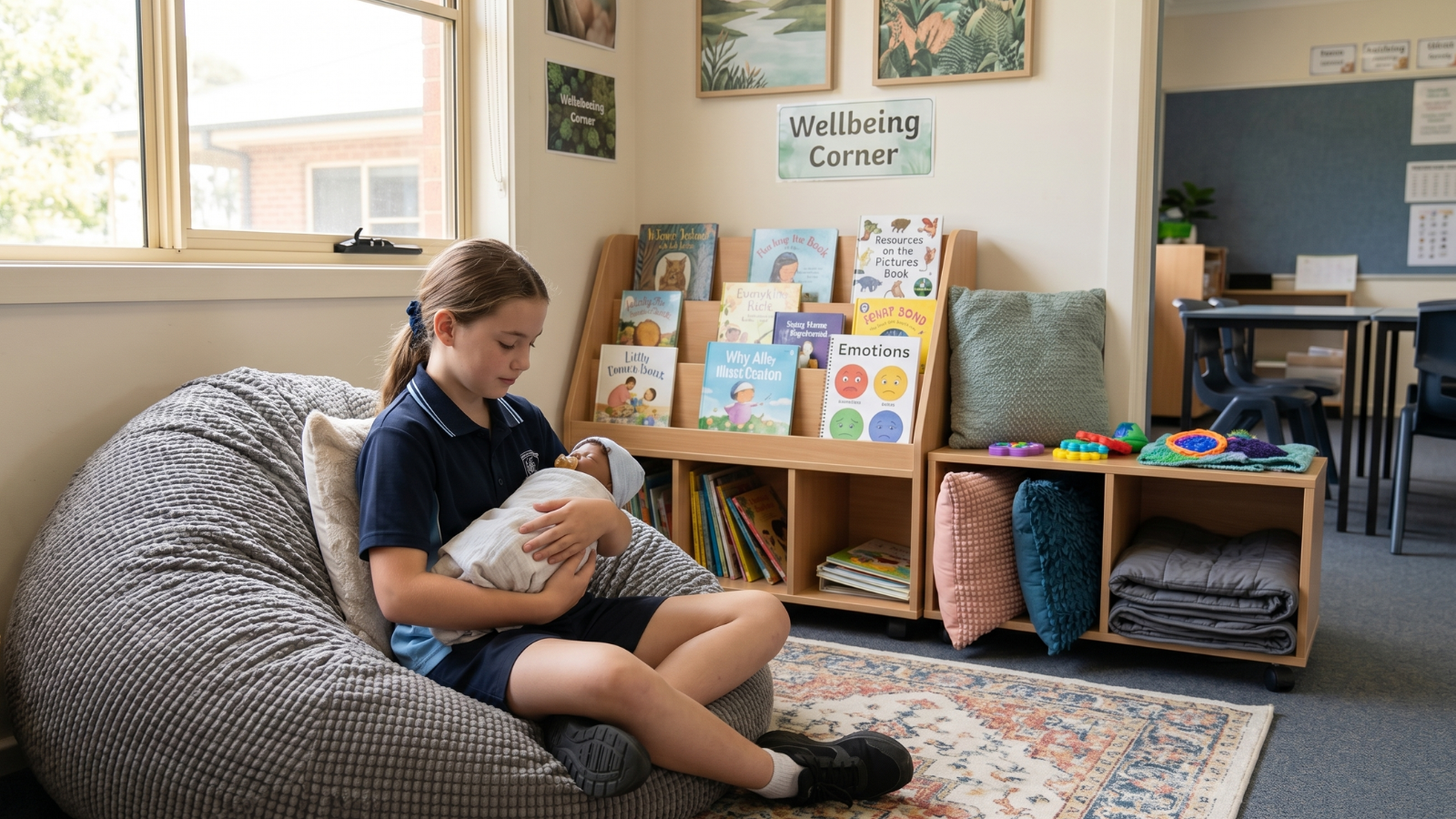
Many schools now provide quiet areas, wellbeing rooms or calming spaces where students can take time to reset, reflect or participate in low-stimulation activities.
Within these environments, educators often provide a range of resources based on the needs of individual students. Some students may choose books. Others may engage with sensory tools, creative activities or quiet play experiences.
For some students, holding a realistic doll, wrapping a blanket around a baby or participating in gentle nurturing play may provide a calm and familiar activity during quiet periods. However, every student is different, and educators are best placed to determine which resources support their individual learning and wellbeing needs.
What Research Says About Comfort Objects in Schools
Research published in the European Journal of Education Studies explored the use of teddy bears as transitional objects in a primary school setting. Researchers found that children associated their bears with comfort, companionship, security and emotional expression. Consequently, the study suggests that familiar nurturing objects can help some students feel more settled and supported within the school environment.
Similarly, educational publisher Edutopia has reported on the growing use of comfort objects and calming resources in classrooms. According to the publication, some teachers intentionally provide toys and familiar items to help young students feel safe, connected and ready to learn. These approaches recognise that emotional readiness often supports academic engagement, particularly during periods of stress, anxiety or transition.
While realistic dolls are only one possible classroom resource, these examples demonstrate how nurturing and comfort-focused objects can contribute to broader wellbeing initiatives within schools.
A Flexible Resource for Modern Schools
One of the greatest strengths of dolls in education is their flexibility.
The same doll may be used in role play activities, family studies programs, storytelling sessions, classroom discussions or wellbeing spaces. As a result, educators can adapt the resource to suit a wide range of learning objectives and student needs.
Rather than serving a single purpose, dolls can support multiple educational goals within the same school environment. For example, a doll may be used in a parenting education lesson one day and a storytelling activity the next.
As schools continue to explore creative approaches to engagement and hands-on learning, realistic dolls offer another versatile resource for educators. They can support connection, curiosity and meaningful interaction across a variety of learning environments.
However, every school has different goals, student needs and program requirements. Therefore, the most effective solution is often tailored to the individual setting.
Could Dolls Have a Place in Your School?
Whether supporting imaginative play, parenting education, classroom role play or social emotional learning, dolls provide opportunities for students to learn through interaction and exploration.
At Nurtura, our babies are designed to encourage connection, engagement and nurturing experiences through realistic features, natural weight and immersive sound experiences.
If your school is considering realistic dolls for role play, parenting education, wellbeing programs or specialist learning settings, you can request a customised quote and discuss your requirements with the Nurtura team.
If you are exploring a weighted silicone baby for comfort, discovery, or quiet companionship, you can browse The Nursery, learn more on our FAQ page, or visit our reborn alternative page for more context on how Nurtura babies are designed to be experienced.
Explore Comfort, Connection and Discovery
At Nurtura, our babies are designed to be experienced, not displayed.
Combining realistic newborn-inspired features, full body silicone construction, immersive sound experiences and a focus on meaningful interaction, Nurtura babies are created for comfort, connection and discovery.
Explore The Nursery to discover a different approach to realistic dolls.
We use cookies to improve your experience, understand site traffic, and support basic website functions. By continuing to use this site, you agree to our use of cookies. You can read more in our Privacy Policy. Read our Privacy Policy